Actinic Keratosis
Pre-cancerous damage treated across the whole field, not lesion by lesion.
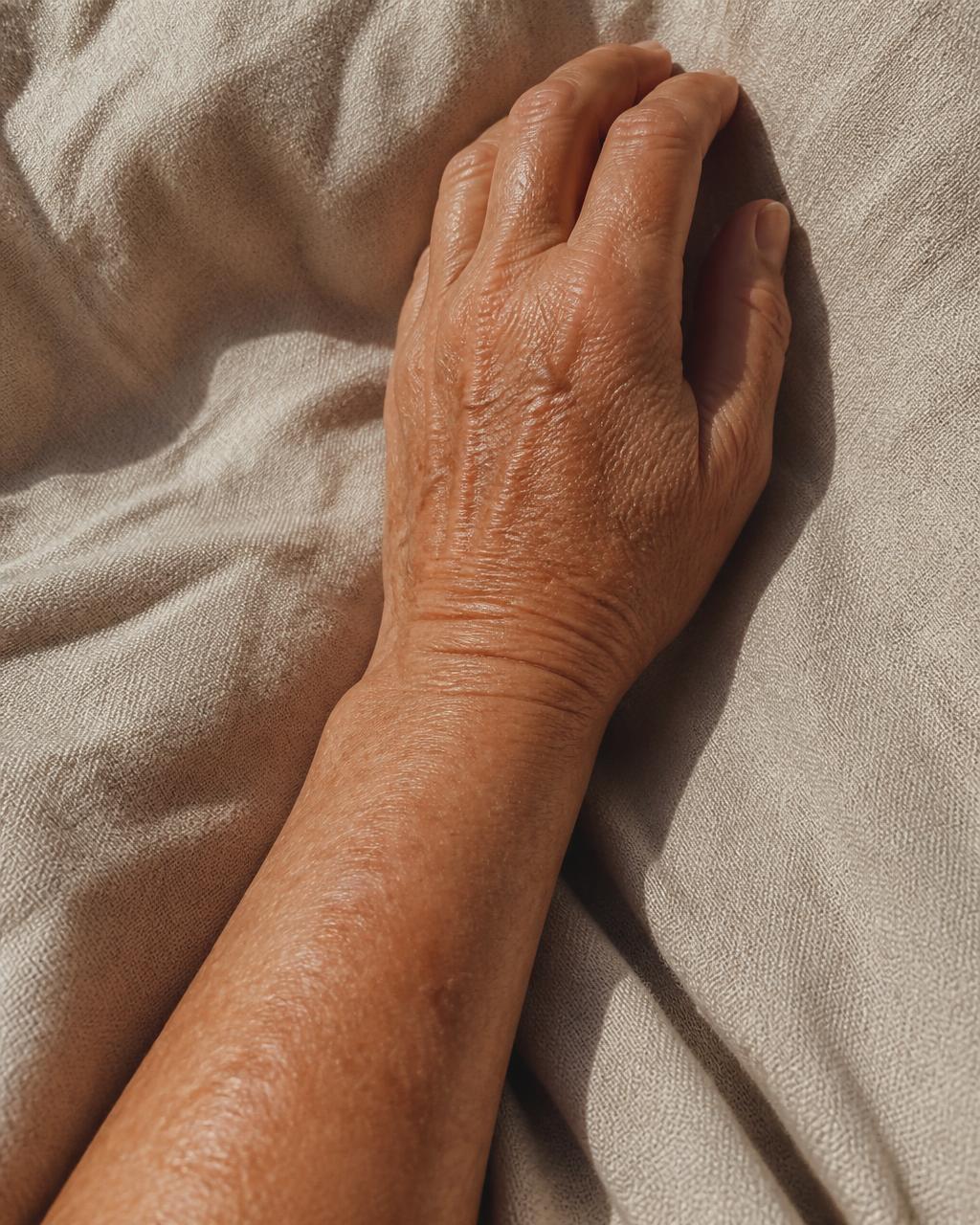
Actinic keratoses are rough, scaly patches on chronically sun-exposed skin — scalp, face, ears, forearms and hands. They are pre-cancerous: a proportion progress to squamous cell carcinoma if untreated.
- 1–2 wks
- Downtime
- 2–4 wks
- Field therapy
- 1–3
- Sessions
- 6–12 mo
- Review
- Cryotherapy
- Curettage & cautery
- Topical field therapy
- Photodynamic therapy
Diagnosed first, treated second.
Where lesions are visible, more are present subclinically. That is why treatment is directed at the field rather than at individual spots, combining destruction of thicker lesions with topical or photodynamic therapy across the area.
- 01Cryotherapy
- 02Curettage & cautery
- 03Topical field therapy
- 04Photodynamic therapy
- 05Surveillance & photoprotection
- Rough scaly patches on the scalp or face
- Patches that recur after freezing
- Widespread sun damage on the forearms
- Previous skin cancer with actinic damage
- Long-term outdoor work or immunosuppression
How the treatment works
A sequence, not a single appointment — each step informs the next.
- 01
Field mapping
The full extent of actinic damage is assessed, including subclinical lesions.
- 02
Lesion clearance
Cryotherapy or curettage removes thicker, hyperkeratotic lesions.
- 03
Field therapy
Topical or photodynamic treatment clears the surrounding damaged field.
- 04
Surveillance
Regular review detects any lesion progressing toward carcinoma.

Results measured, not promised.
What to expect
- 01Visible lesions cleared
- 02Subclinical damage treated across the field
- 03Progression to squamous cell carcinoma reduced
- 04Smoother, more even skin texture
- 05Ongoing surveillance for high-risk skin
Begin with a diagnosis,
not a guess.
Share a few details and the clinic will reply with available consultation times for actinic keratosis — one-to-one with Dr. Arely.
- Response
- Within 24 hours
- Consultation
- One-to-one, 45 min
- Assessment
- Trichoscopy included
- Location
- Dr. Arely Clinic
Frequently asked
They are pre-cancerous. A small proportion progress to squamous cell carcinoma if left.
Because subclinical lesions surround the visible ones — field treatment reduces recurrence.
Field therapy causes redness and crusting for one to two weeks; this is the expected response.
New lesions can form in damaged skin, so review and daily protection continue.