Seborrheic Keratosis
Benign growths removed cleanly, without the mark.
Seborrhoeic keratoses are benign, warty growths with a characteristic stuck-on appearance. They accumulate with age on the face, trunk and back, in colours ranging from tan to near-black.
- 7–14 days
- Downtime
- 1
- Sessions
- Local
- Anaesthesia
- If indicated
- Histology
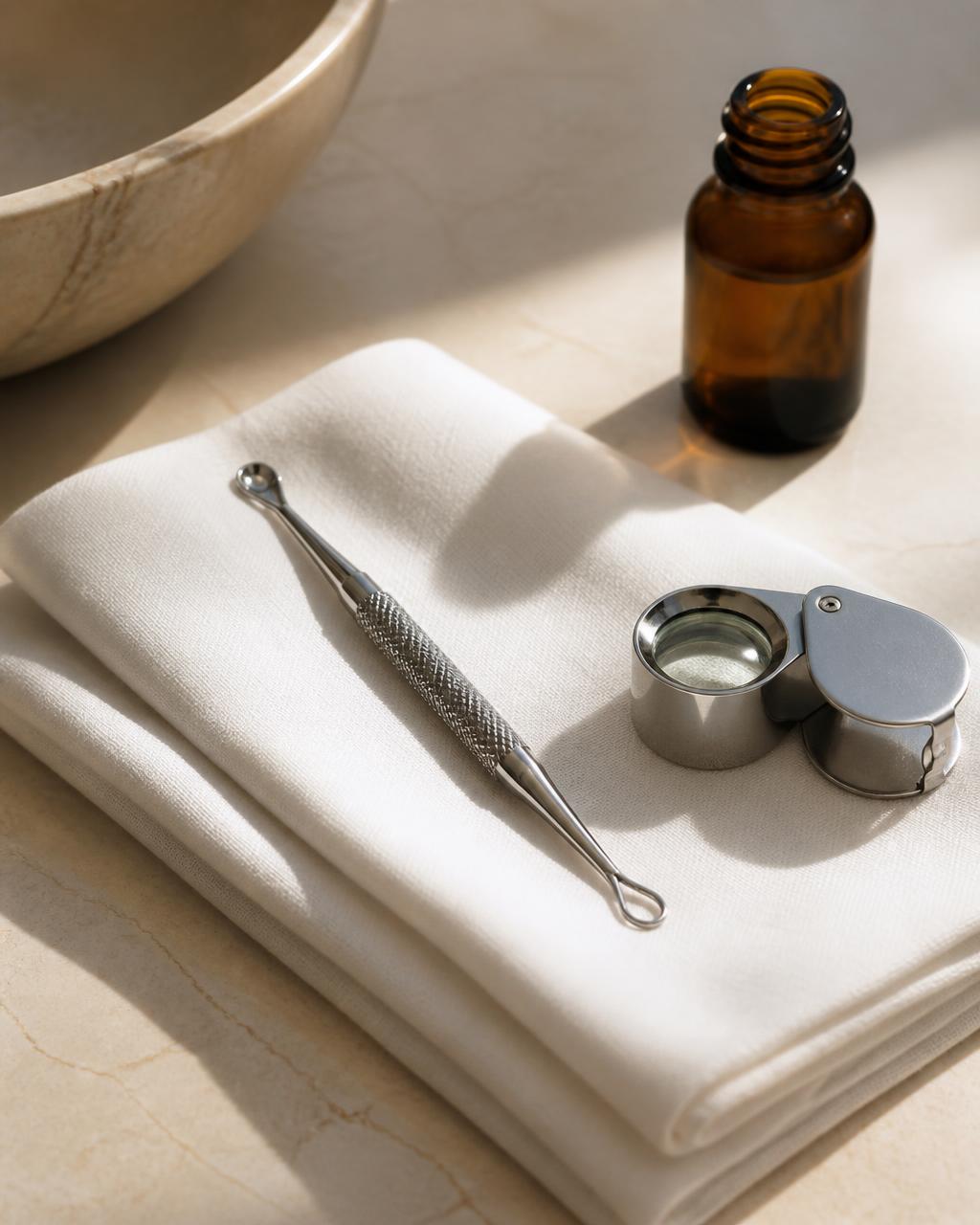
- Curettage & cautery
- Cryotherapy
- Laser ablation
- Dermatoscopic screening
Diagnosed first, treated second.
They are harmless, but they can catch on clothing, become irritated, or simply be unwanted. Because pigmented varieties can resemble melanoma, each is examined dermatoscopically before removal.
- 01Curettage & cautery
- 02Cryotherapy
- 03Laser ablation
- 04Dermatoscopic screening
- 05Histology where atypical
- Raised warty growths on the trunk or face
- Lesions catching on clothing or jewellery
- Multiple growths appearing with age
- Dark lesions requiring assessment
- Cosmetic concern about visible sites
How the treatment works
A sequence, not a single appointment — each step informs the next.
- 01
Examination
Dermatoscopy confirms the benign nature of every lesion to be treated.
- 02
Method selection
Curettage, cryotherapy or laser chosen by thickness, site and skin type.
- 03
Removal
The growth is removed at the correct depth to avoid a depressed scar.
- 04
Aftercare
Wound care and pigment protection during the two-week healing period.
Results measured, not promised.
What to expect
- 01Growths removed in one visit
- 02Smooth skin at the treated site
- 03Irritation and catching resolved
- 04Malignancy excluded beforehand
- 05Excellent cosmetic outcome
Begin with a diagnosis,
not a guess.
Share a few details and the clinic will reply with available consultation times for seborrheic keratosis — one-to-one with Dr. Arely.
- Response
- Within 24 hours
- Consultation
- One-to-one, 45 min
- Assessment
- Trichoscopy included
- Location
- Dr. Arely Clinic
Frequently asked
No. They are entirely benign, though pigmented ones are checked carefully first.
Removed lesions do not return; new ones may appear elsewhere with age.
Local anaesthetic is used where needed; most patients report minimal discomfort.
A temporary pink area that fades over weeks; depth control minimises any lasting mark.